|
|
| Newsletters | September Newsletter 2008 | Home |
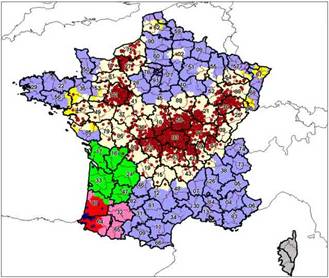
| Hypomagnesaemia We came through the spring and summer with very few reported cases of grass staggers in cows. April and May are always the high risk times for this disease. We are all on our guard then, feed companies increase the levels of magnesium in their mix and you get used to leaving buckets of magnesium supplements out in the fields for cattle to lick at should they feel the urge to hunt for the mineral. Also there has been a tendency to use less nitrogenous fertilisers on cattle pastures early in the year because of the high cost, these can have a detrimental effect on the way the grass is able to take up minerals and it has had a secondary effect on the clinical cases of staggers that we see. Adding Supplements In the past week there have again been clinical cases of staggers in dairy cows. Wet and warm summers encourage grass growth at least and can lead to magnesium problems in September and October. The most vulnerable animals are low yielding dairy cows, Hereford and Hereford cross suckler cows and yearling store cattle. If you are not sure if you are at risk it might be wise to increase the levels of magnesium in the dairy ration for the next two months or to invest in some magnesium buckets for dry cows and animals that are suckling calves. Cattle have an instinct to search for magnesium when their blood levels are low and it is better for them to lick at the buckets than to eat quantities of soil to satisfy their needs. Improving Ovine Fertility Just a reminder that each year we get too many pregnancy failures with our sheep flocks, especially in the pedigree flocks if a valuable ram is used. Not every abortion or barren ewe is investigated, but the main cause of abortion is still the enzootic kind. I am fully aware that you can salvage the situation with the use of antibiotics when the losses occur. This is expensive and second best because nothing is done to reduce the contamination of the lambing pens and affected animals will probably abort again next year. Toxoplasma can go undetected as it works at an earlier stage of the pregnancy resulting in either loss of the lambs and a barren ewe or one of twins may be affected and have stunted growth in the uterus. The vaccines against these infections are freely available this year. Remember that they are live vaccines and should be given at least four weeks before the rams start to work as they themselves can interfere with a pregnancy. They will have a tendency to competitively compete with the Bluetongue vaccine so there should be a gap of at least two weeks between the injections if you want them both to work effectively. Bluetongue Hazards So far more than 9,500 doses of the Bovilis BT8 vaccine have been used cattle, sheep and some goats in the practice. The only reports of any problems that have come to light is one ewe with an abscess developing at the injection site. Remember to keep a note of when the doses were given so that you can sign the relevant declarations when animals are sold at the local markets. The only benefit of the summer so far is that it has been relatively cool and windy and the wind has come from the west protecting us from a midge invasion from Europe. The situation in France and the Netherlands is not good. By 22nd August 6,020 case of Bluetongue had been reported to the Foreign and Commonwealth Office in France (six of the cases involves Bluetongue Sero type one.
1) The red dots on the map show the spread of infection throughout the country as far north as Calais. New Cases On August 27th DEFRA announced that it had detected two cases of Bluetongue BTV8 in single rams near Lewis in East Sussex and Hemel Hemstead, in Hertfordshire. Both of these animals originated from the same farm in central France. Two days later eight cattle on a farm near Tiverton in Devon tested positive for the disease. These animals again had all come from s single farm in Germany. It is difficult to understand why these movements are still going ahead after the problems with imports last summer. I know movements are allowed between Protection Zones under EEC rules, but surely that should be within a country not crossing national boundaries when our protection zones are in effect still determined by the availability of a vaccine and not the detected presence of infection. It is bad enough having to watch the weather and try to predict likely midge movements, without this added complication of legal imports bringing infected animals deep into the country. It would seem that we are only going to find out about this disease if significant clinical cases have been noticed or if animals fail the post import blood tests. Halls have asked that store cattle and sheep that are sold through Shrewsbury market are accompanied by a certificate stating the dates that they had the Bluetongue Vaccine. The certificate can be downloaded from the DEFRA website at if you follow this link. The Situation in Wales From the beginning of this week vaccination has been permitted in the rest of Wales and there are now no retrictions on movements of animals across the Welsh border. Pet Smile Month September is Pet Smile Month when we will be doing free examinations and taking a particular interest in your dog, and cats, teeth. This has become an annual event, but a different month is chosen each year to give everybody a chance to have their animals examined. In general we tend to find that dogs that work for a living tend to have fewer problems with their teeth, but if you would like us to check them out please ring the surgery for an appointment. Fiona Ruffell We have a new Vet starting at the Malthouse this month. Fiona Ruffell is a recent graduate from the Royal Veterinary College in London. Fiona had a gap year before she started the veterinary course and spent it working on a farm near her home at Solihull in the West Midlands. She is looking forwards to working with both farm and small animals here in Shropshire.
|